Hotel room keys
We can build Hotel room keys into the wristband format that fits this use case.
MIFARE wristbands operate at 13.56 MHz and follow the ISO/IEC 14443-A standard.
MIFARE wristbands operate at 13.56 MHz and follow the ISO/IEC 14443-A standard. They are widely used for access control, closed-loop cashless payment, transport and membership systems because many readers and software platforms already support them.
The family includes MIFARE Classic 1K/4K for general credentials, MIFARE Ultralight for cost-sensitive ticketing, MIFARE DESFire EV1 for higher security and MIFARE Plus SE for upgraded installations. We also build with the MIFARE-compatible FUDAN FM11RF08 where a project requires it. China Wristband can embed any of these into silicone, fabric, elastic, PVC or wooden wristband formats.
In short: Read range is typically a few centimetres, ideal for deliberate tap-to-use actions.
Chip models we commonly embed for this frequency. See the complete chip reference for the full list.
Scroll horizontally to see all columns
| Frequency | Chip model | Protocol / standard |
|---|---|---|
| 13.56 MHz | MIFARE Classic 1K / 4K | ISO/IEC 14443-A |
| 13.56 MHz | FUDAN FM11RF08 (MIFARE compatible) | ISO/IEC 14443-A |
| 13.56 MHz | MIFARE Ultralight EV1 / C | ISO/IEC 14443-A |
| 13.56 MHz | MIFARE DESFire EV1 | ISO/IEC 14443-A / ISO/IEC 7816 |
| 13.56 MHz | MIFARE Plus SE | ISO/IEC 14443-A |
We can build Hotel room keys into the wristband format that fits this use case.
We can build Gym and locker access into the wristband format that fits this use case.
We can build Cashless event wallets into the wristband format that fits this use case.
We can build Campus and staff credentials into the wristband format that fits this use case.
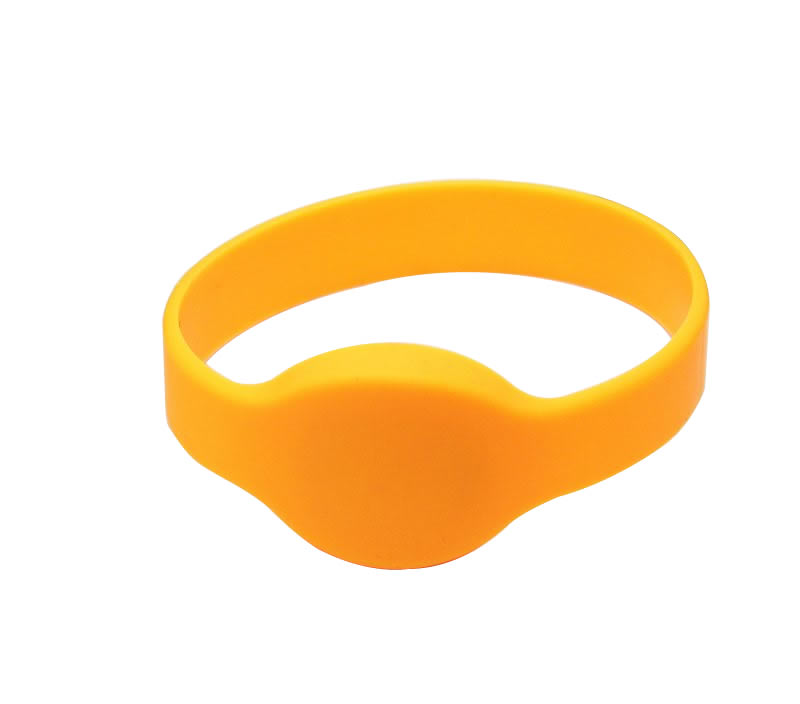
RFID silicone wristbands are reusable, waterproof wearable tags with an embedded chip that opens doors, validates tickets, replaces cash and identifies members.
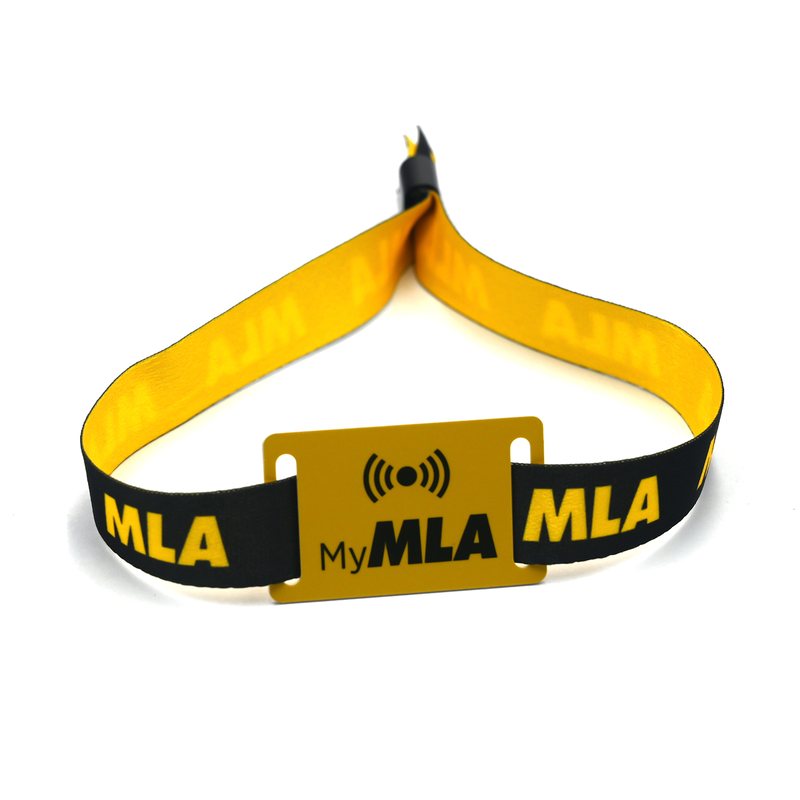
View RFID Silicone Wristband detailsRFID fabric wristbands are woven or printed textile straps fitted with an RFID tag or a moulded face plate.
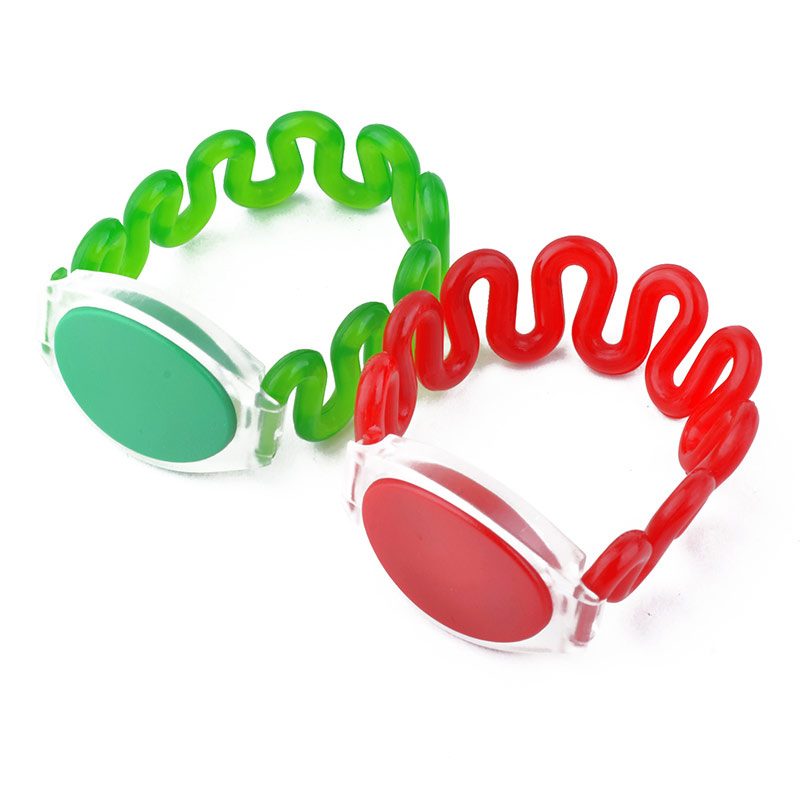
View RFID Fabric Wristband detailsRFID PVC wristbands are lightweight plastic bands with an embedded RFID inlay and an adjustable snap closure.
View RFID PVC Wristband detailsTechnical questions we are most often asked about this frequency.
MIFARE is a 13.56 MHz chip family built on ISO/IEC 14443-A, the same standard family used by many NFC devices, but not every MIFARE chip is NFC Forum type 2 compliant. Phone behaviour also varies by handset and operating system, so a MIFARE Classic band may be readable by some Android devices and not by others, and we do not promise phone compatibility. If a guest must tap a phone to open a link, choose an NTAG or other NFC Forum wristband; if the band must work with an existing hotel, gym or access reader, choose the MIFARE chip that reader expects.
MIFARE Classic 1K/4K is the common choice for general credentials and membership systems, Ultralight EV1/C suits cost-sensitive ticketing with limited data, DESFire EV1 is used where stronger authentication is required, and Plus SE supports upgraded installations moving on from Classic. We also build with the MIFARE-compatible FUDAN FM11RF08 when a project specifies it. Tell us the reader, the data structure and the security level your system needs, and we will recommend the simplest chip that your platform supports.
Usually yes, but compatibility has to be confirmed against the installed hardware: readers may expect a particular chip, a 4-byte or 7-byte UID, sector keys or a specific application layout. Send us the lock or reader model, an existing working card or fob and the UID format your software expects, and we will match the chip and encoding. We recommend testing an encoded sample on your real doors, lockers and software before a production run rather than relying on a generic compatibility claim.
Yes. Share the required keys, sector or application data structure, UID format and numbering range, and we can encode and verify every band before dispatch along with a UID-to-printed-number mapping file for your system. Keys and credential data should be provided by the system owner and remain under your control; we do not assist with copying credentials you are not authorised to use. For sectors that must not change in the field, we can apply the agreed access conditions and confirm them on an approved sample.
MIFARE Classic uses the older Crypto1 mechanism and sector keys, while DESFire EV1 supports stronger authentication and application-based file structures, which is why DESFire is usually preferred for new higher-security deployments. Classic remains widespread because a very large installed base of hotel, gym and campus readers supports it, and it can still be appropriate for low-risk credentials when access rules are managed in the backend. Your IT or security team should decide the required protection level; we supply the chip and encoding your system specifies and do not make security certifications or compliance claims.
MIFARE is a deliberate tap-to-use technology with a read range of a few centimetres, which is why it suits door locks, lockers, turnstiles and payment terminals. The exact distance depends on the reader antenna and power, chip, inlay position, presentation angle, nearby metal and even a thick phone case, so we do not quote a fixed range for the band alone. We place the inlay where it is easy to present and recommend testing a physical sample on your actual lock plates and readers.
Yes, many closed-loop event, resort and campus wallets use a MIFARE wristband as the credential that identifies the guest, with balances and transaction rules held in the platform. Some systems also write value or entitlement data into protected sectors, but that design, the keys and the reconciliation logic belong to your software provider, not to the wristband. We supply and encode the bands to your specification; we do not provide payment processing, and financial or data-protection compliance remains with your provider.
The same 13.56 MHz module can be sealed into silicone, fabric, elastic, PVC, vinyl and wooden face-plate wristbands, in fixed size, adjustable or one-time closure formats. Silicone suits pools, gyms and multi-day wear, wooden or elastic builds are popular for hotels and resorts, and fabric or vinyl suits single-day event issuance. Tell us the material, width and closure early so we can agree the inlay position before the artwork layout is finalised.
Yes. We can print or deboss your logo, colour-code bands by guest tier or staff role, and add serial numbers, QR or barcodes and the chip UID with a mapping spreadsheet for import into your access or membership platform. Variable data should be defined before encoding, because the printed code and the UID list need to stay in sync. Share your artwork, Pantone references and numbering rules, and we will verify readability and the mapping on a sample before production.
Share the reader or lock model and an existing credential, the chip and UID format, encoding keys and data structure, wristband material and closure, quantity, artwork and variable data, packaging and delivery destination. Minimum order quantity, sample and production lead times are confirmed at quotation stage. We recommend a pilot batch tested with your real readers, doors and software before rollout; material or compliance documentation such as RoHS or REACH is available on request.
Send us your reader model or an existing card. We will verify the chip, recommend a wristband construction and encode a sample for testing.